Přečteno 24728x
-
Saif al-Islam Kaddáfí shot dead in Zintan: the death of the controversial heir to the Libyan regime





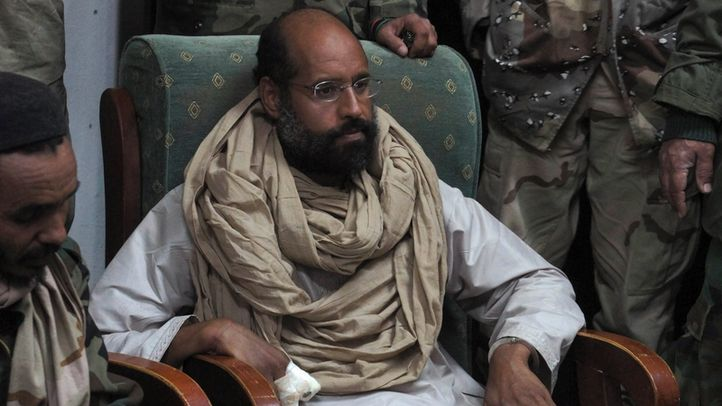
© AKTU.cz, Jiří Forman Saif al-Islam Gaddafi, son of the late Libyan dictator Muammar Gaddafi, was shot on 3 February 2026 in his private garden in the town of Zintan. The attackers disabled security cameras before the act, fired several shots on the spot and then fled, while Libyan authorities speak of a targeted elimination of one of the most prominent and at the same time most controversial figures of post-war Libya.
Saif al-Islam Kaddafi, the son of the deposed Libyan dictator Muammar Gaddafi, was shot dead on 3 February 2026 in his garden in the town of Zintan, where he had been staying for a long time under the protection of local armed groups. According to initial reports, four as-yet-unidentified gunmen attacked him; they disabled security cameras before the act and fled the scene after the murder. Libyan authorities describe the incident as a targeted elimination of a prominent and at the same time highly controversial figure of post-war Libya.
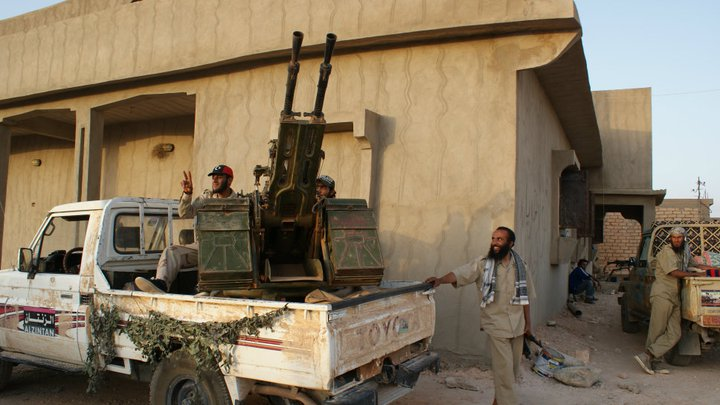
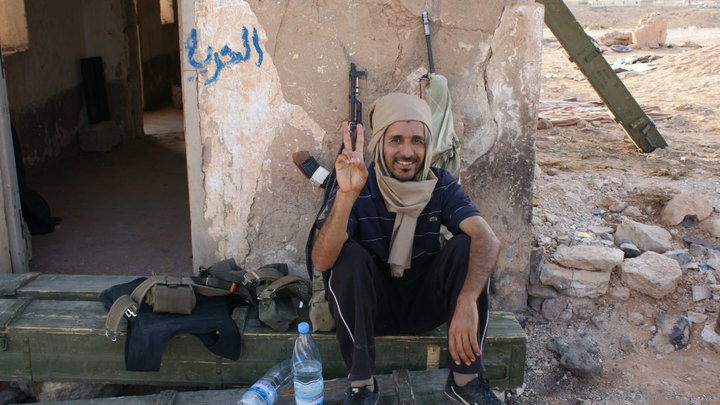
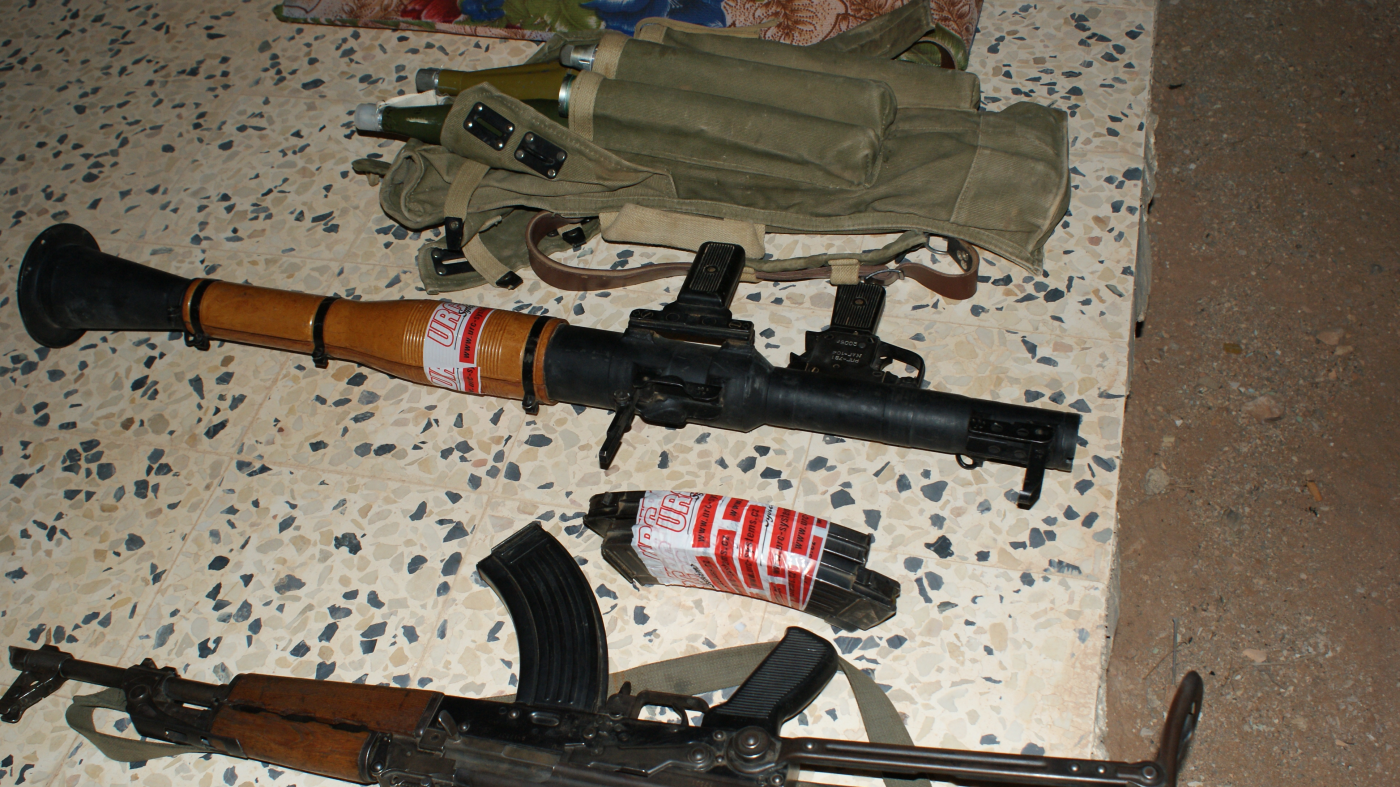
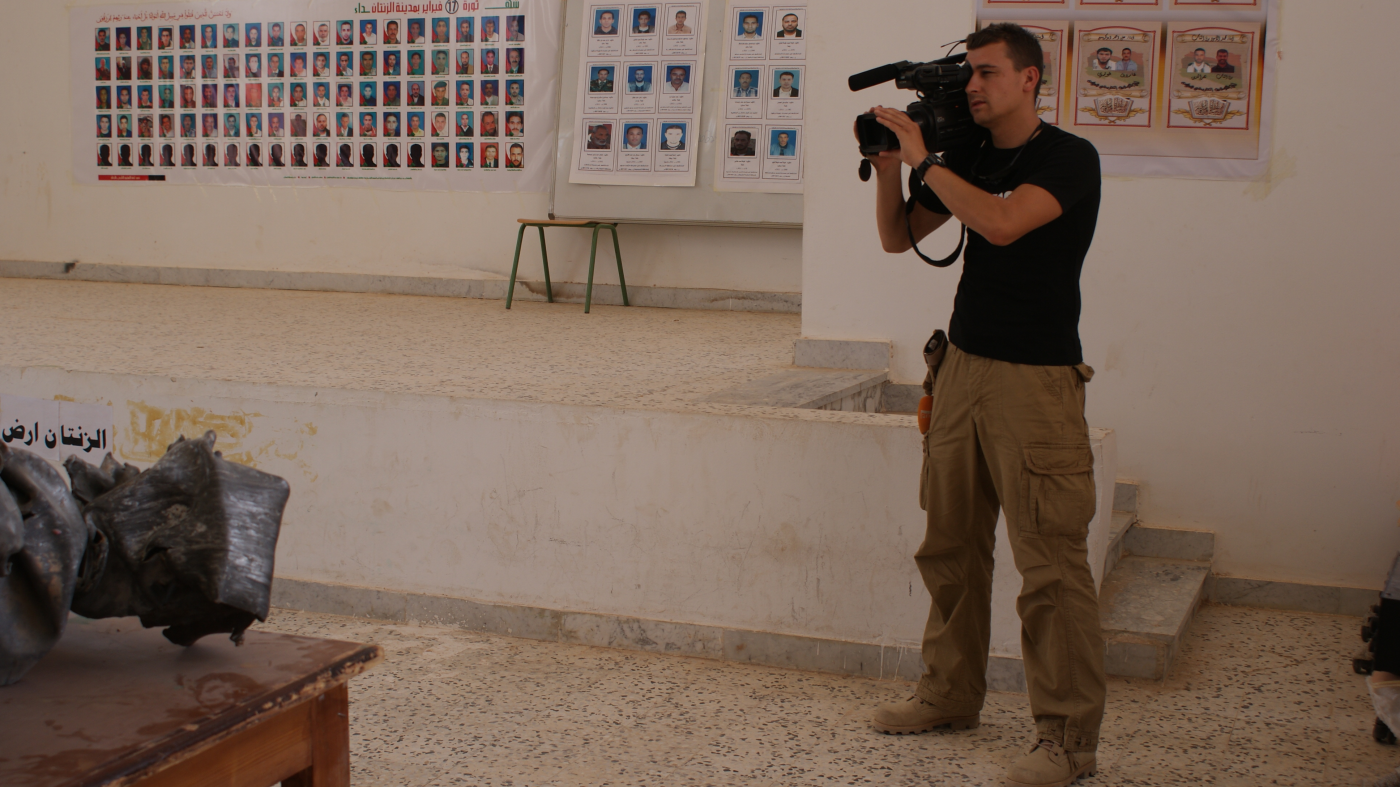
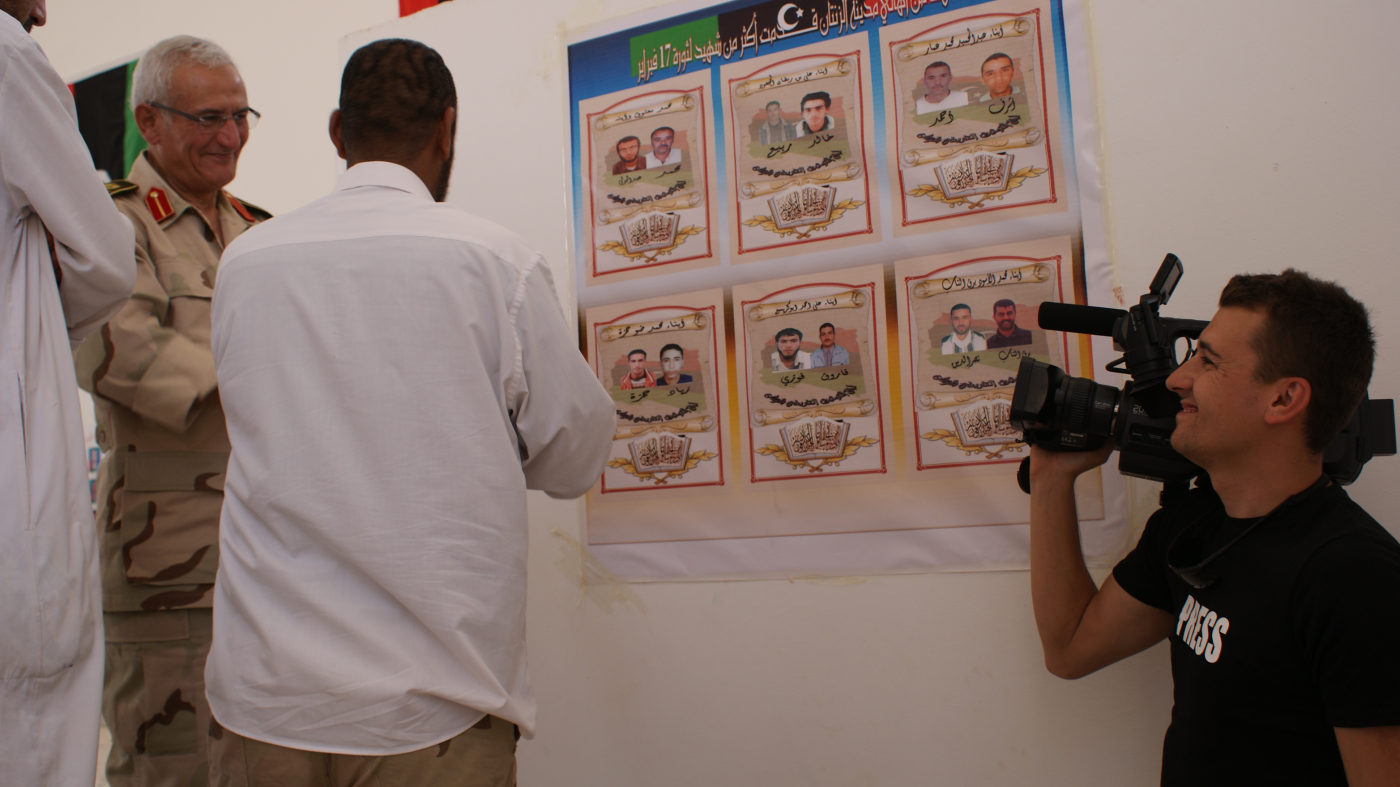
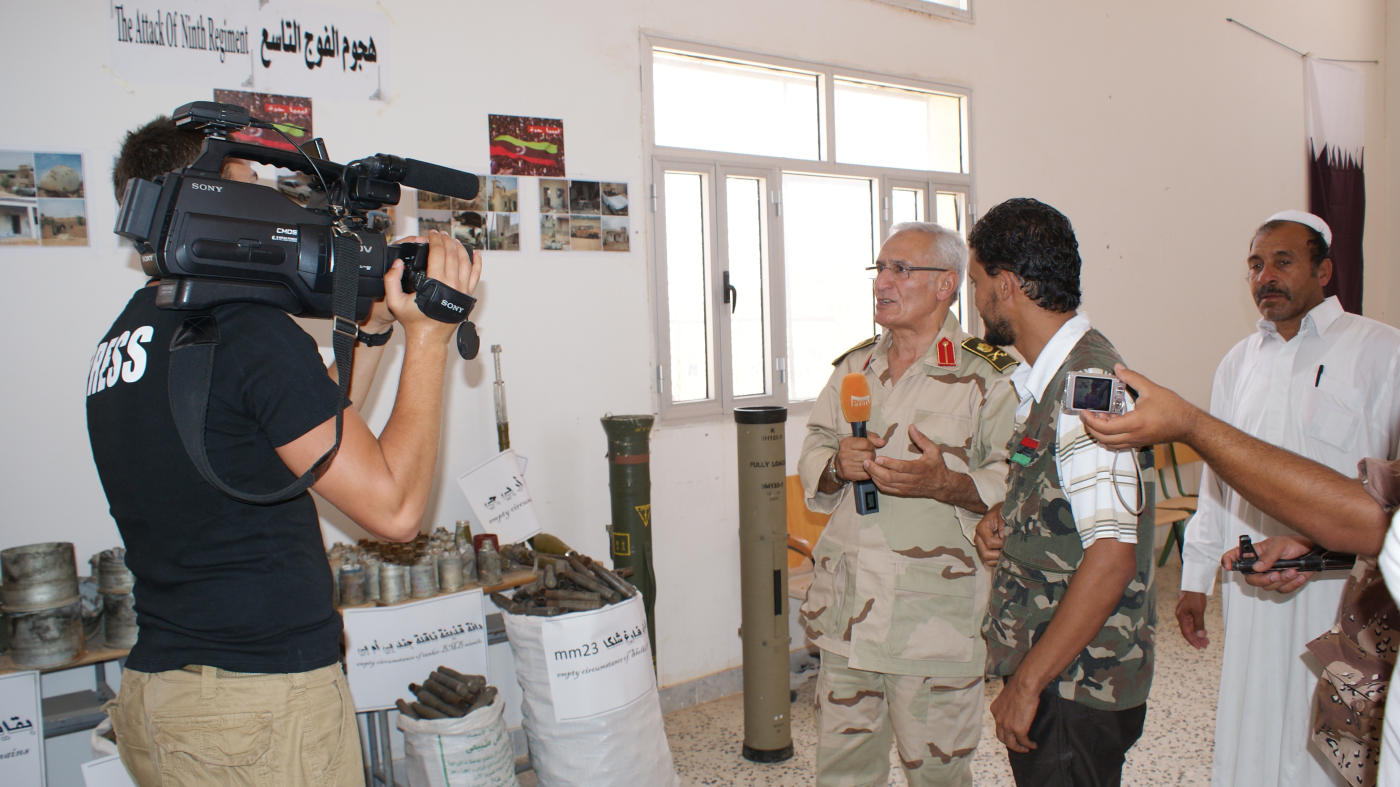
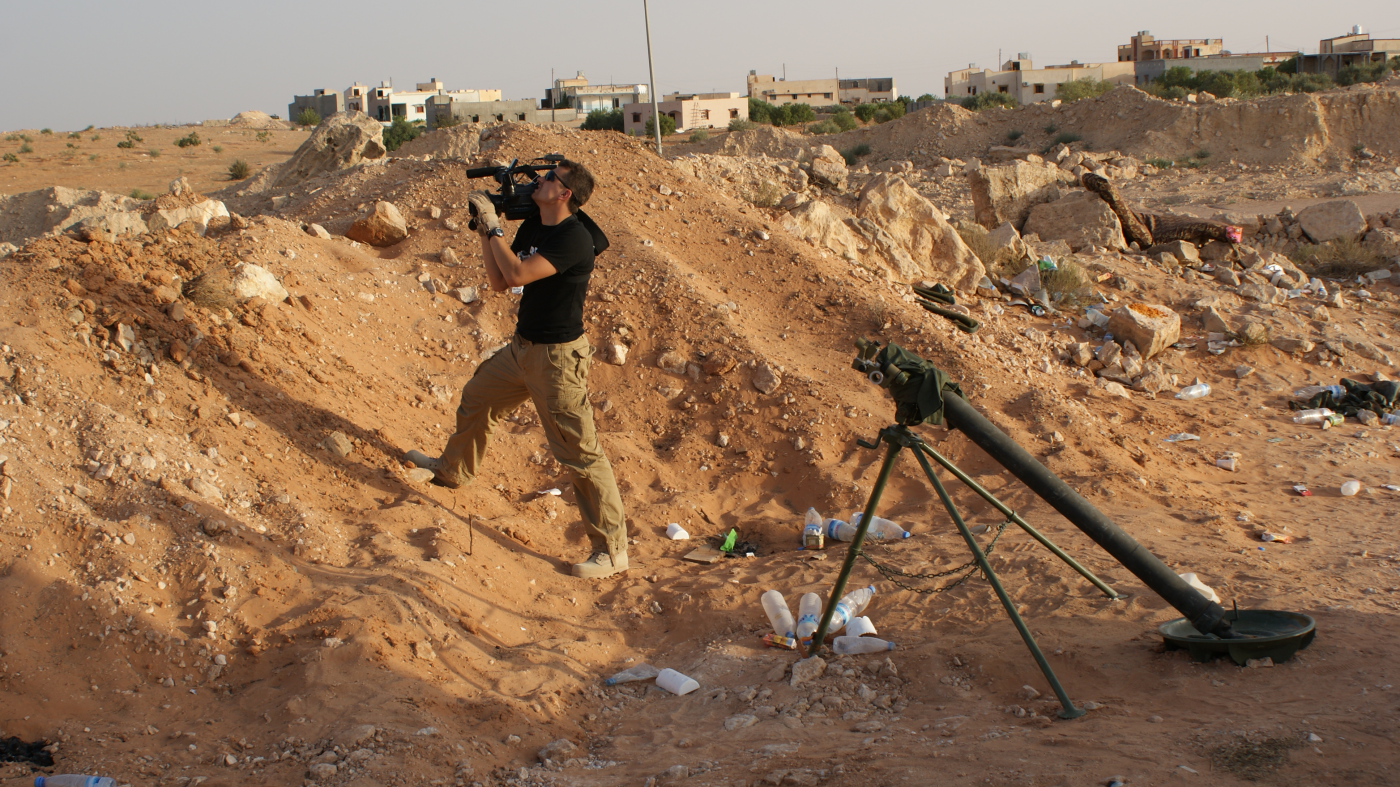
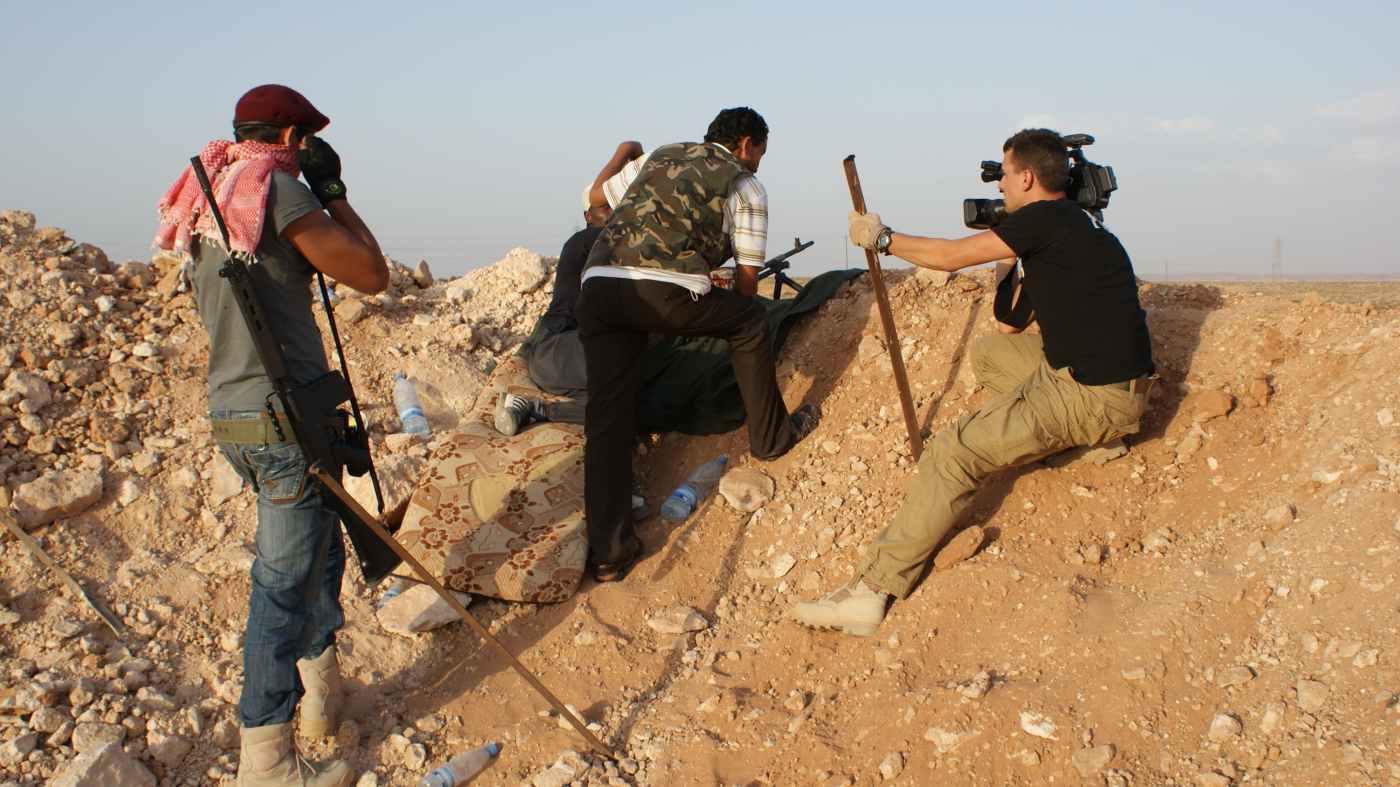
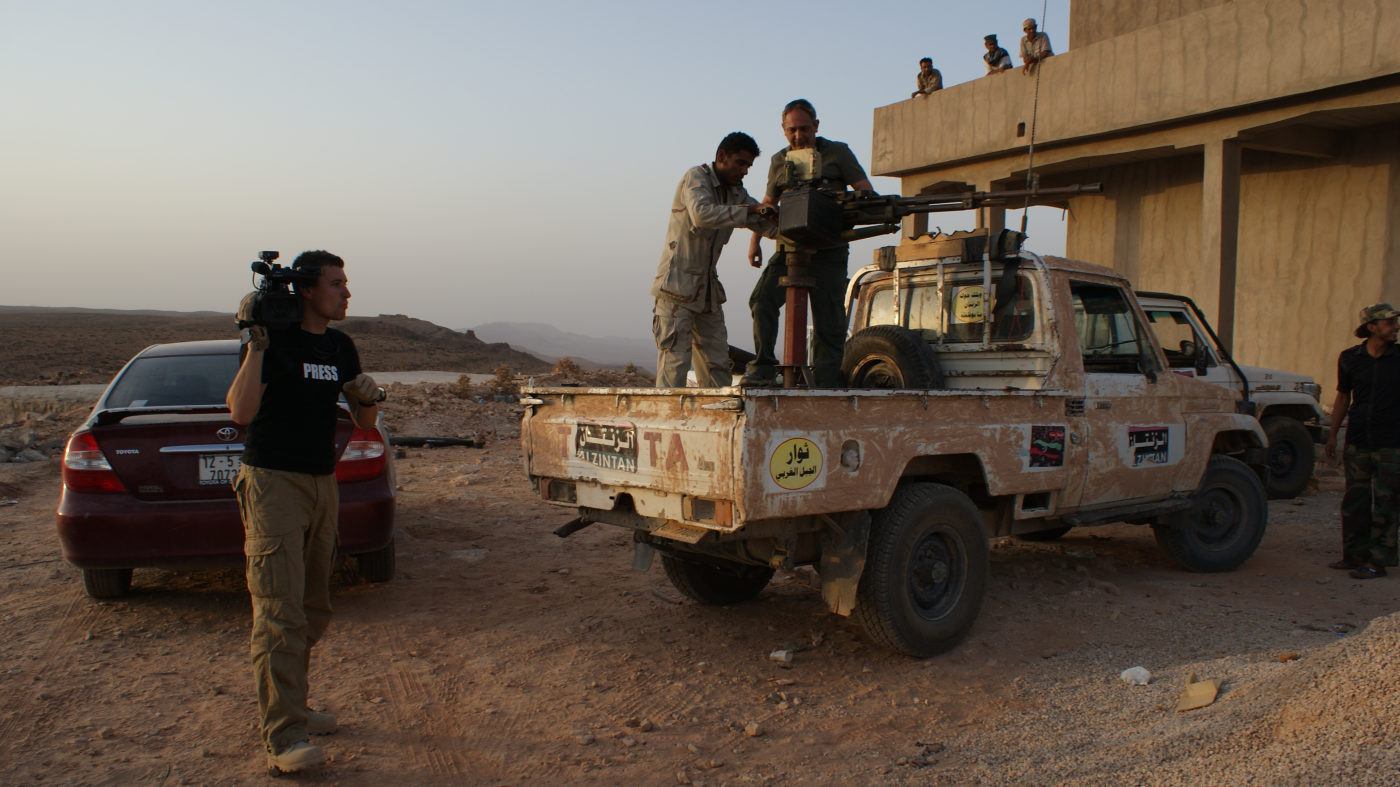
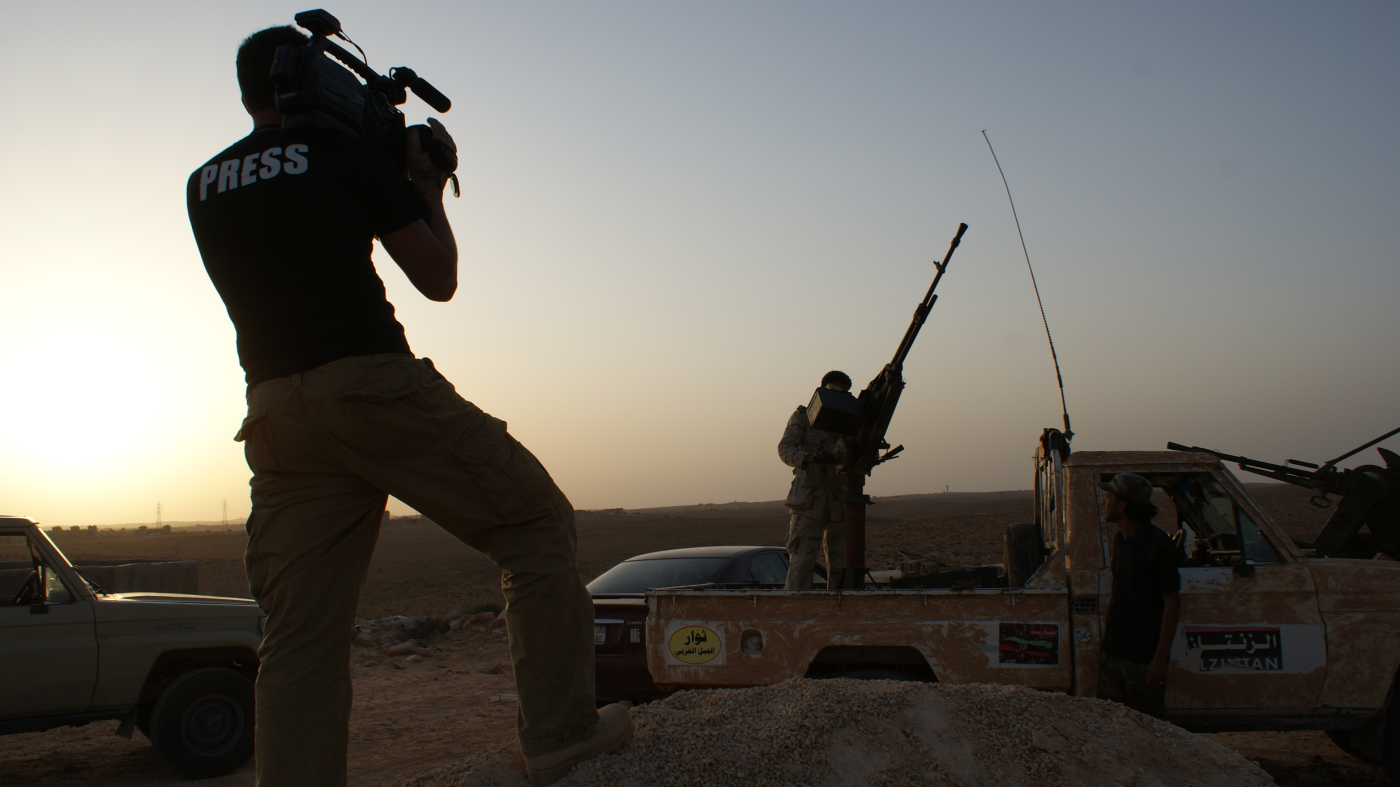
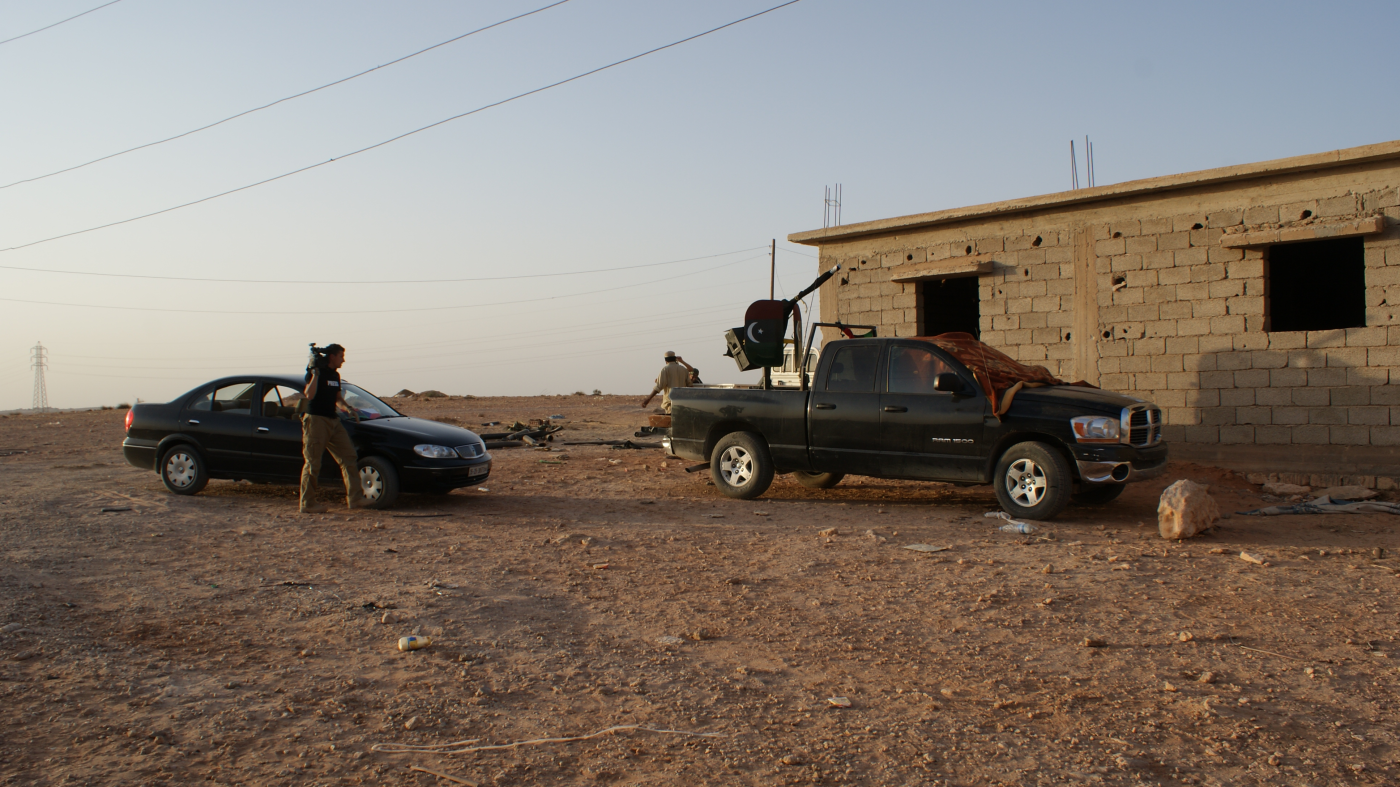
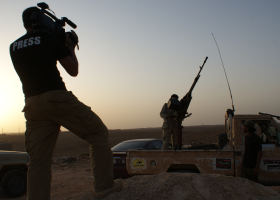
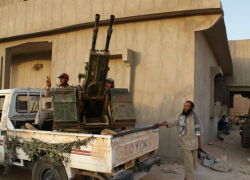
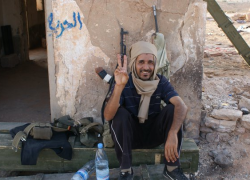
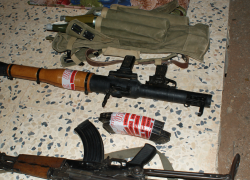
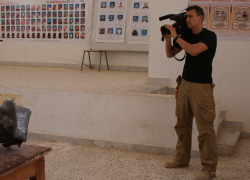
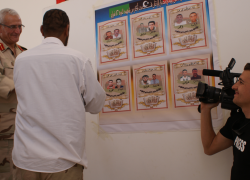
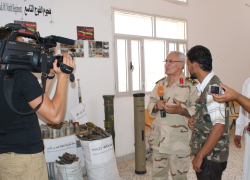
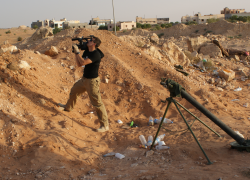
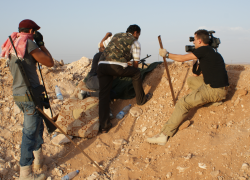
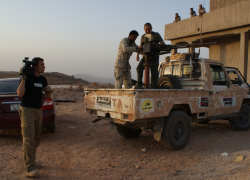
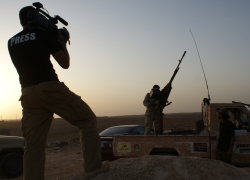
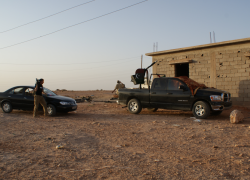
Sajf Islám From the fighting near the town of Zintan between rebels and Gaddafi's forces in 2011, AKTU.cz reporter Jiří Forman brought reports.
The end of the man who was to be "the second Gaddafi"
For many years Saif al-Islam was regarded as the regime's crown prince and a possible reformer who would offer the West a "moderate face" of authoritarian rule in Tripoli. However, after the uprising broke out in 2011 he became one of the main advocates of a hard line against protesters, and international courts accused him of being complicit in crimes against humanity. After the fall of the regime he was captured by militias in Zintan, held out of reach of the central government, and Libyan courts in 2015 convicted him in absentia and sentenced him to death, though the sentence was not carried out at that time.
The political comeback that did not happen
In subsequent years Saif al-Islam tried to make a political comeback, positioning himself as a defender of "Gaddafi's legacy" and hinting at ambitions to run in presidential elections. At the same time he became a symbol of Libya's continued fragmentation – his figure divided communities and armed factions that argued over whether he should stand before an international court or be tried exclusively at home. His murder thus ended the possibility that Saif al-Islam might become one of the main players in any political reconciliation or, conversely, a new authoritarian project in the country.
Impact on Libya
The death of Saif al-Islam may further sharpen tensions between the various factions that either attached their hopes to him or, on the contrary, viewed him as a symbol of past repression. For the families of the victims of Gaddafi's regime and for international courts, the possibility that he would ever personally stand before a tribunal and answer for the events of 2011 is also definitively gone. In Libya, which continues to grapple with fragmented power and weak institutions, a chapter thus closes without delivering clear justice or reconciliation.
-
 © AK
© AK -
 © AKTU.cz, Jiří Forman
 -
 © AKTU.cz, Jiří Forman
 -
 © AKTU.cz, Jiří Forman
 -
 © AKTU.cz, Jiří Forman
 -
 © AKTU.cz, Jiří Forman
 -
 © AKTU.cz, Jiří Forman
 -
 © AKTU.cz, Jiří Forman
 -
 © AKTU.cz, Jiří Forman
 -
 © AKTU.cz, Jiří Forman
 -
 © AKTU.cz, Jiří Forman
 -
 © AKTU.cz, Jiří Forman
-
-
Nejčtenější články